Writing

Blader/humanizer: Claude Code Skill That Removes Signs of AI-generated Writing From Text
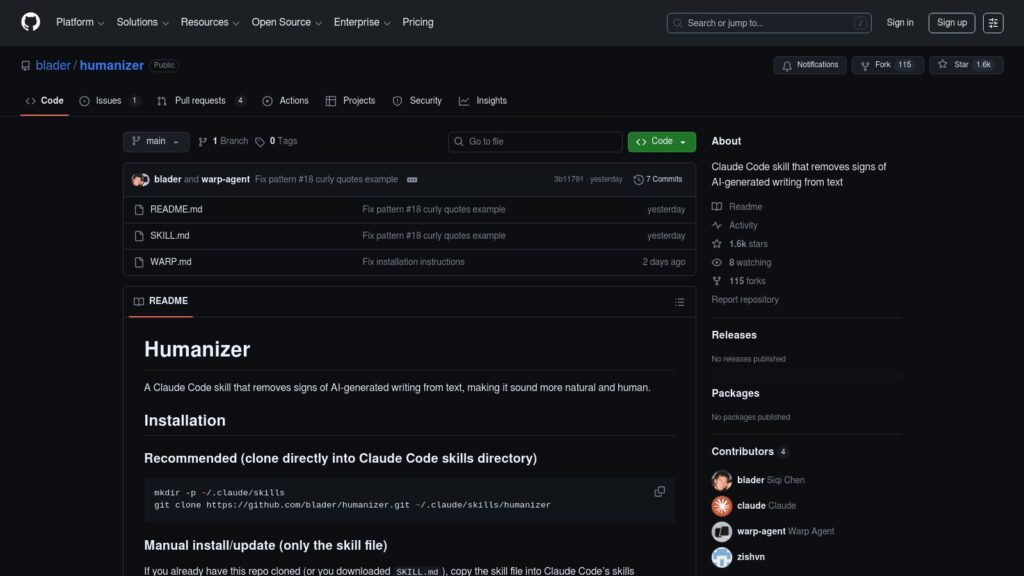
GitHub repository “humanizer” removes AI writing signs for natural text. Installation via cloning or manual copy. Usage involves invoking the skill in Claude Code. It detects 24 patterns in AI-generated text, providing before/after examples for each. Key changes make content less formulaic and more human-like. Full examples illustrate the transformation from AI-sounding to humanized text.
https://github.com/blader/humanizer

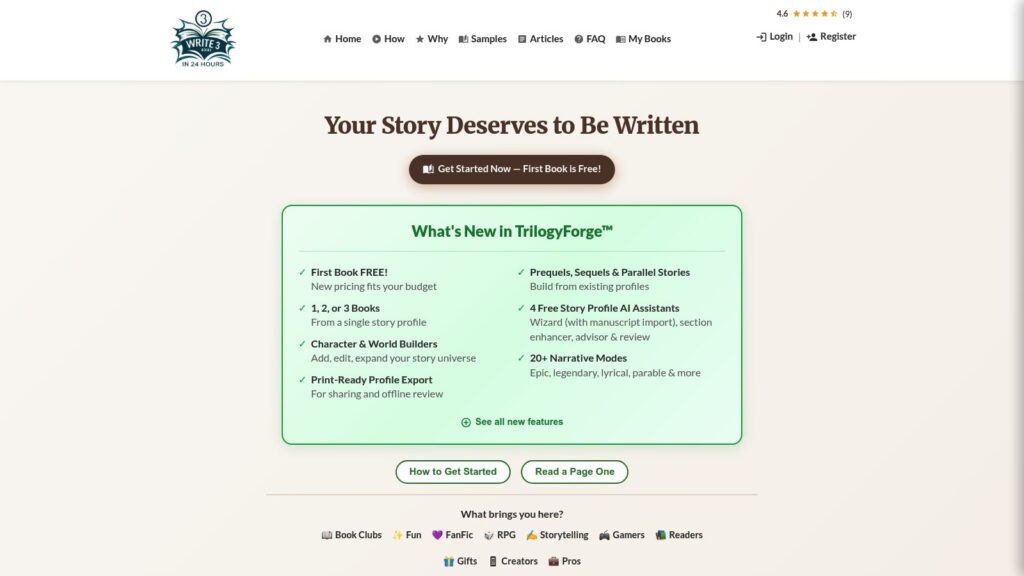
Write 3 Books in 24 Hours

Write3BooksIn24Hours™ offers a platform to create novels using AI, guiding users from story ideas to finished books. Features include a free first book, customizable series (1-3 books), and AI tools for character and world building. Users can utilize the Planning Wizard, edit directly, or review AI suggestions. The service is accessible for both seasoned writers and novices, with flexible pricing and free sample reads available.

https://write3booksin24hours.com/

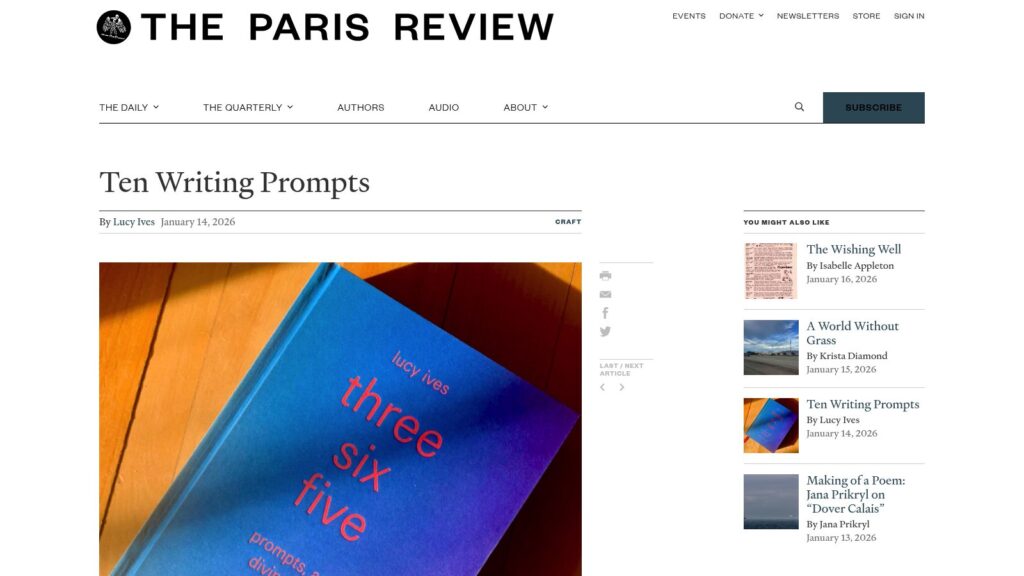
Ten Writing Prompts by Lucy Ives

Lucy Ives shares ten inventive writing prompts aimed at enhancing creativity, derived from her extensive collection for a forthcoming book. Prompts include maintaining a “Distraction Diary,” crafting stories with unconventional lengths, and using matrices to inspire new narratives. Each prompt encourages exploration of ideas and narrative structures, suitable for writers of any skill level.

https://www.theparisreview.org/blog/2026/01/14/ten-writing-prompts/

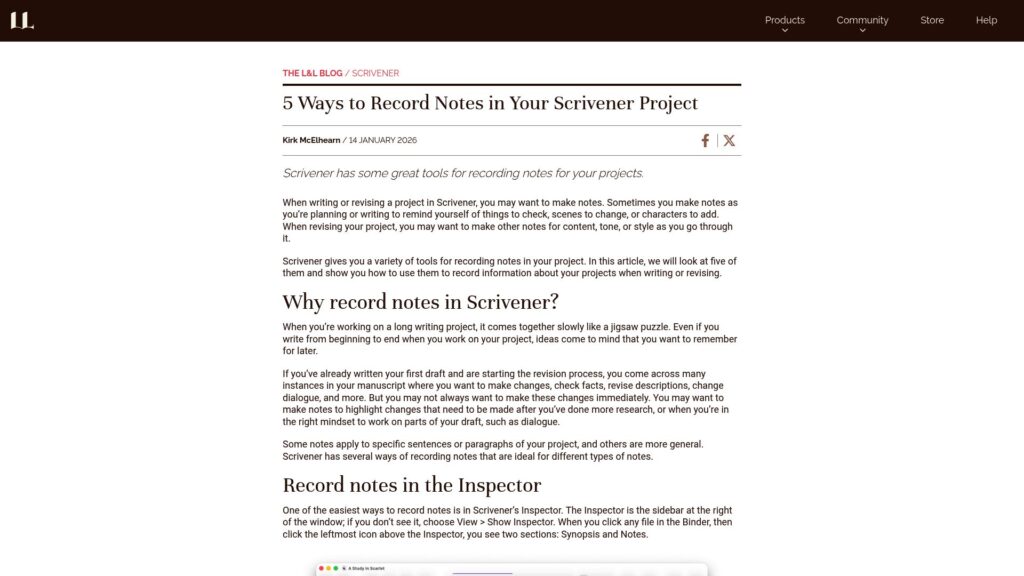
5 Ways to Record Notes in Your Scrivener Project

Scrivener offers tools for recording project notes during writing and revision, helping organize ideas, changes, and research. Key methods include: using the Inspector for scene-specific notes, inserting comments for text-specific feedback, utilizing the Scratchpad for general jots, and storing files in a dedicated Notes folder for easy access. These features facilitate effective project management throughout the writing process.

https://www.literatureandlatte.com/blog/5-ways-to-record-notes-in-your-scrivener-project

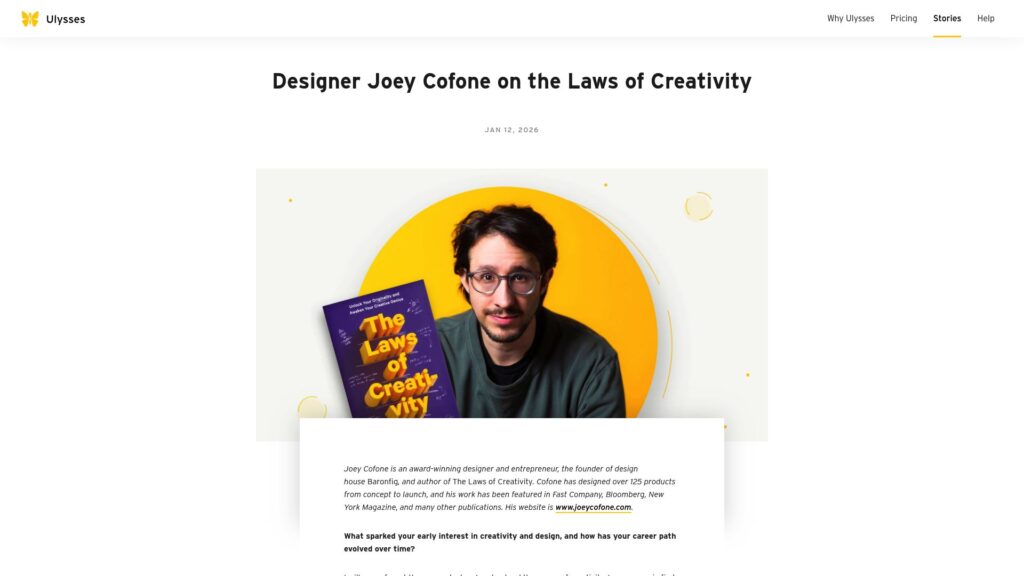
Designer Joey Cofone on the Laws of Creativity

Joey Cofone, designer and entrepreneur, founded Baronfig and authored The Laws of Creativity. He emphasizes creativity's power, shaped by early experiences and a literature/philosophy background, guiding his graphic design career. Cofone's book presents 39 creativity laws drawn from historical creators, structured into Foundation, Process, and Excellence. He believes creativity can be understood and systematized, not just a magical force. His writing process was extensive and fluid, and he advocates for continuous learning through creativity. Cofone sees creativity as essential for life, allowing individuals to navigate challenges, and points to its future importance in an AI-driven world. He encourages visits to Baronfig and signing up for updates on his next projects.

https://stories.ulysses.app/designer-joey-cofone-on-the-laws-of-creativity/

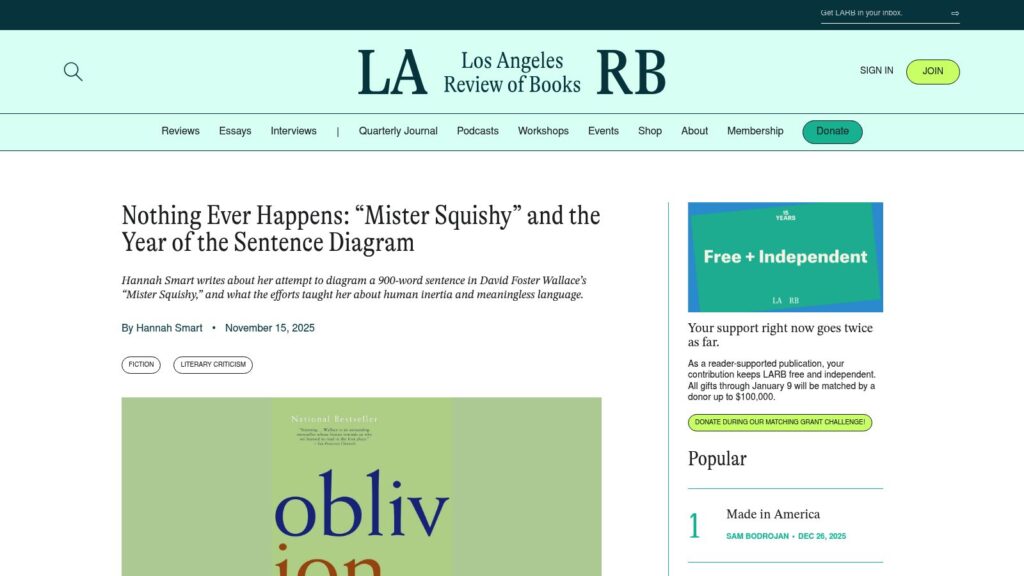
Nothing Ever Happens: “Mister Squishy” and the Year of the Sentence Diagram

Hannah Smart analyzes a 900-word sentence from David Foster Wallace's “Mister Squishy,” exploring themes of human inertia and meaningless language. Wallace's complex prose, filled with superfluous modifiers, reflects his philosophy against such clutter. The story, centering on Terry Schmidt's unfulfilled life during a focus group, evokes a sense of anticipation despite limited action. Smart's diagramming uncover the sentence's core meaning: Schmidt's bleak fantasies of change amidst stagnation. Ultimately, the narrative illustrates modern language's power to perpetuate dissatisfaction, paralleling societal rhetoric and reinforcing feelings of inertia in life.

https://lareviewofbooks.org/article/nothing-ever-happens-mister-squishy-and-the-year-of-the-sentence-diagram/

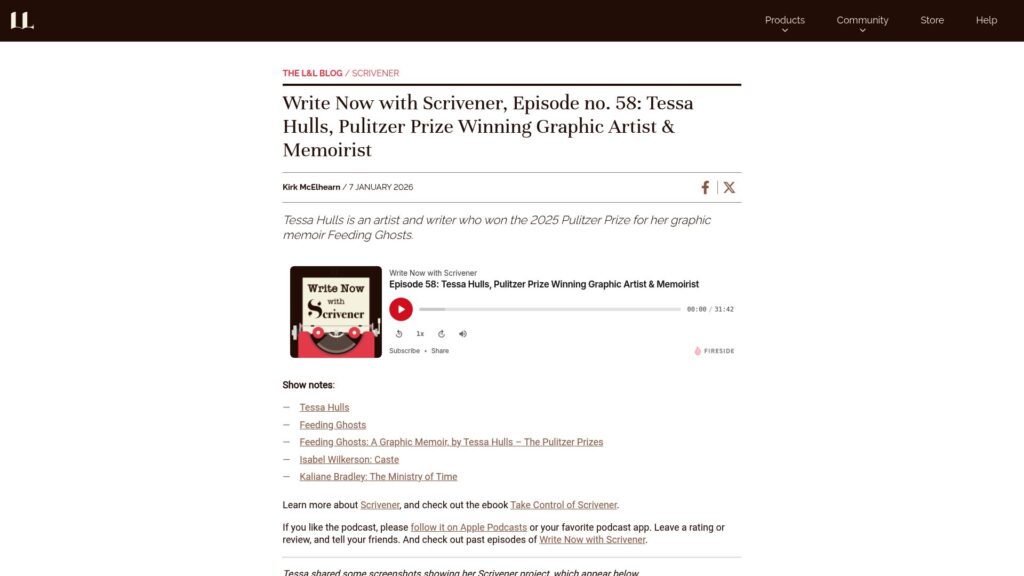
Write Now With Scrivener, Episode No. 58: Tessa Hulls, Pulitzer Prize Winning Graphic Artist & Memoirist

Tessa Hulls, artist/writer, won the 2025 Pulitzer Prize for her graphic memoir Feeding Ghosts. The memoir explores her family's history across generations and continents, shaped by personal and historical trauma. The creation process spanned nine years, heavily impacted by the pandemic, which challenged her mental health but ultimately strengthened the work. Hulls utilized Scrivener innovatively to manage her process, integrating visual elements to guide the memoir's narrative structure. She expresses no plans for another book, feeling content with the one story that has haunted her.

https://www.literatureandlatte.com/blog/write-now-with-scrivener-episode-no-58-tessa-hulls-pulitzer-prize-winning-graphic-artist-memoirist

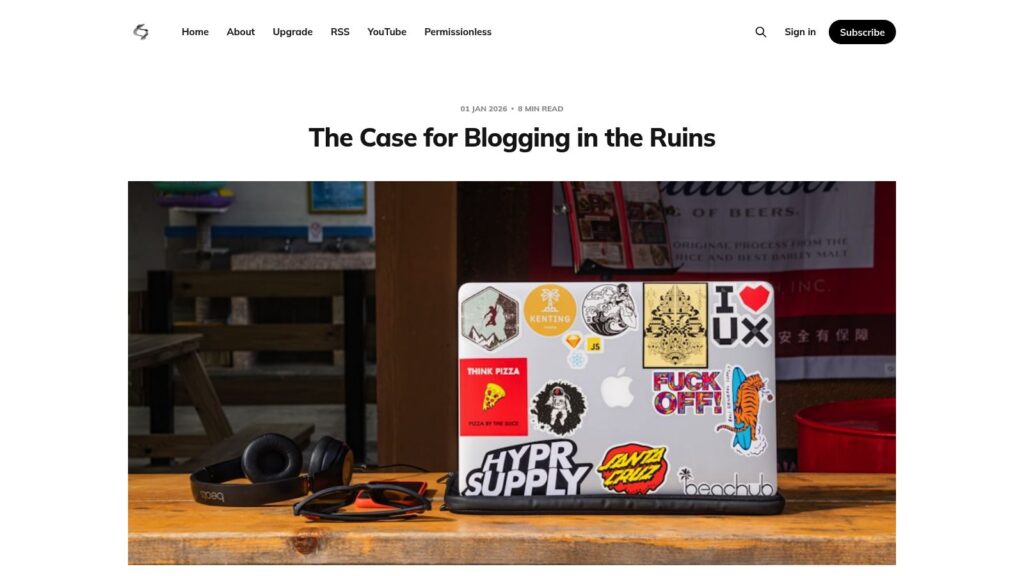
The Case for Blogging in the Ruins

Blogs foster intellectual exploration, unlike social media's fast-paced content. Diderot’s Encyclopédie exemplified building knowledge infrastructure, whereas today's media prioritizes engagement over substance. Blogs create permanent, standalone documents inviting deep thinking and nuanced discussion. Despite claims that blogs are obsolete, they outlast social media in indexing and engagement. Establishing a blog offers autonomy and a space for meaningful content creation, essential for reclaiming thoughtful discourse. Start a blog to cultivate your ideas and contribute to a more connected intellectual community.

https://www.joanwestenberg.com/the-case-for-blogging-in-the-ruins/

Scroll to Top