Writing

It’s Still Worth Blogging in the Age of AI
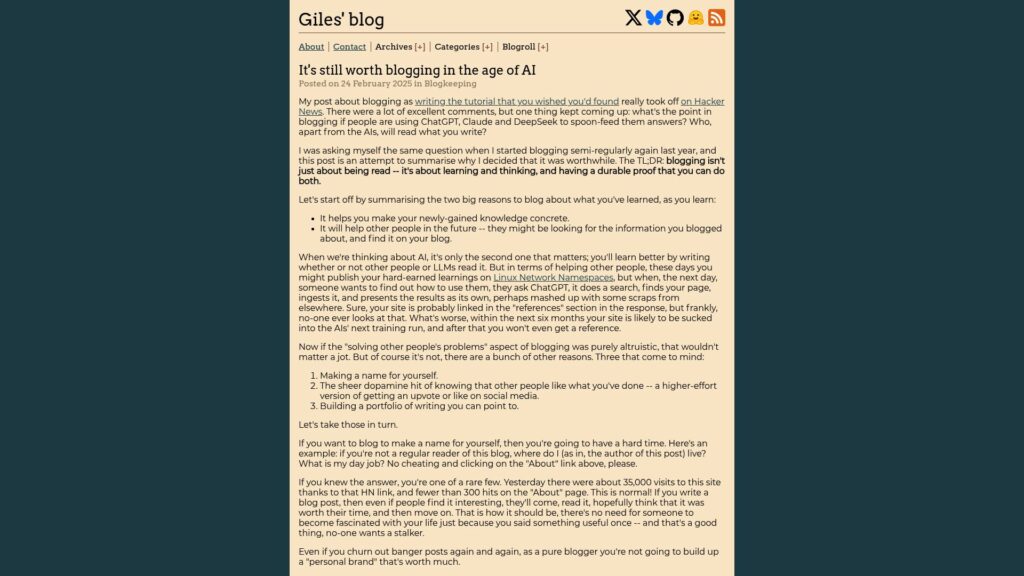
Blogging remains valuable in the AI era for learning and thinking, creating a tangible record of knowledge. It benefits both the writer and future readers, despite AI's ability to summarize or generate content. Posts help solidify understanding and provide a portfolio for career opportunities. While blogging alone may not lead to fame, it fosters engagement and personal growth. Ultimately, the satisfaction of writing and sharing thoughts outweighs potential downsides of AI competition.

https://www.gilesthomas.com/2025/02/blogging-in-the-age-of-ai

Paul Millerd on AI and Writing

Paul Millerd discusses AI's impact on writing, emphasizing its potential to enhance authors' productivity by reducing friction in the writing process and enabling faster drafts. He predicts the rise of “Vibe Writing,” where LLMs suggest edits based on preferred styles. As writing becomes easier and more collaborative, the landscape will shift to more books and creative partnerships, akin to music's rapid production cycles. Additionally, AI will transform reading experiences with personalized features, potentially overwhelming readers with content.

https://marginalrevolution.com/marginalrevolution/2025/02/paul-millerd-on-ai-and-writing.html

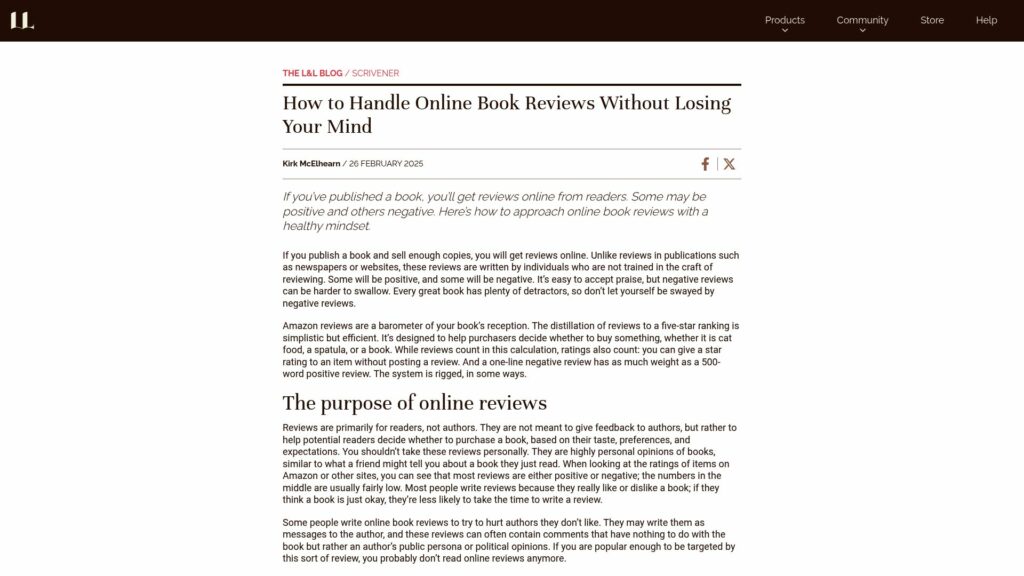
How to Handle Online Book Reviews Without Losing Your Mind

Authors receive online book reviews that can be positive or negative. Reviews aid potential readers in decision-making and should not be taken personally. Negative reviews can impact mental health, but learning from constructive critiques can enhance future writing. It's crucial for authors to focus on writing and ignore harmful feedback. Celebrate accomplishments and continue improving.

https://www.literatureandlatte.com/blog/how-to-handle-online-book-reviews-without-losing-your-mind

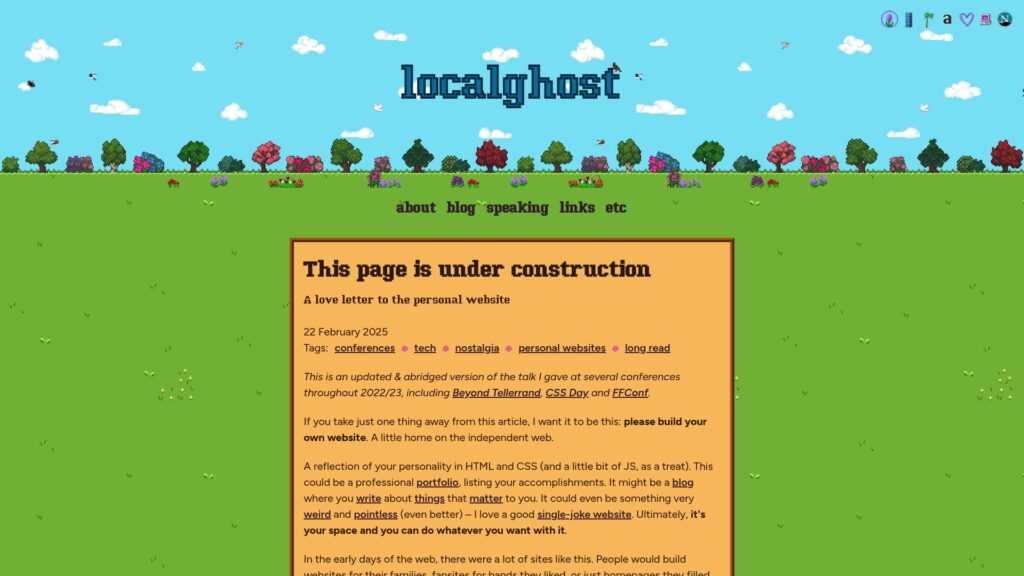
This Page Is Under Construction

TLDR: Sophie Koonin advocates for building personal websites to reclaim individuality online amidst a corporate web dominated by standardized designs and data mining. She emphasizes the creativity and personal expression lost in modern web development and urges individuals to create unique, personal spaces on the internet. Koonin encourages experimentation with HTML/CSS, stating that personal websites serve as a counter to commercial platforms while empowering users to control their own content.

https://localghost.dev/blog/this-page-is-under-construction/

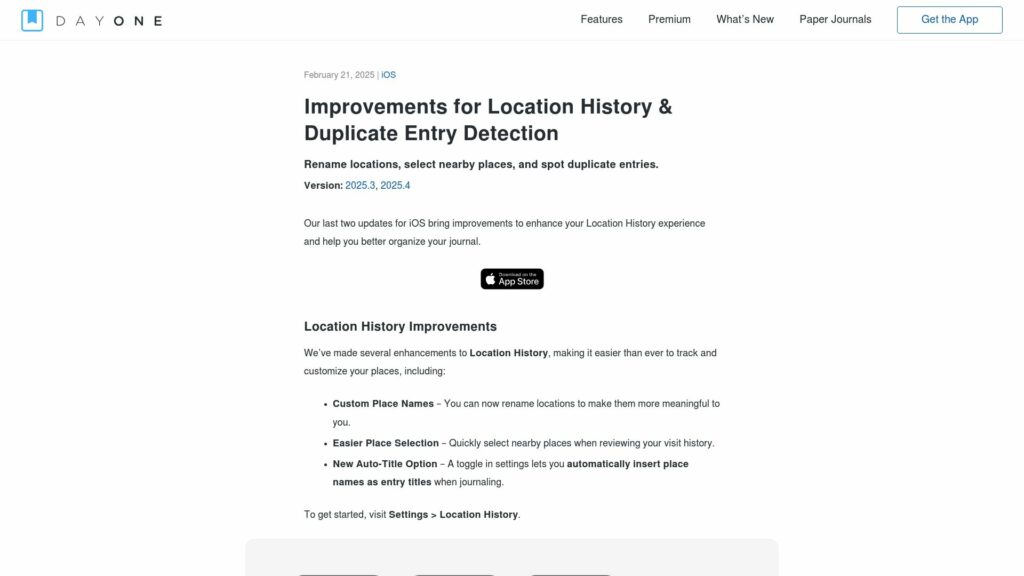
Improvements for Location History & Duplicate Entry Detection

iOS updates improve Location History and journal organization. Key features include custom place names, easier place selection, and auto-title for entries. Duplicate entry detection alerts users when moving/copying to prevent duplicates. An Edit button adds quick access to journal management. Bug fixes address icon loading, widget display, and journal crashes.

https://dayoneapp.com/releases/improvements-for-location-history-duplicate-entry-detection/

Introducing The Productivity Shift: Grammarly’s Fourth Annual Report

Annual report reveals AI's impact on workplace productivity, highlighting a disconnect between activity and meaningful results. Emergence of AI power users, who save 80% more time, suggests strategies for broader workforce empowerment. Leaders must address AI adoption barriers and foster collaboration between people and AI for enhanced impact. Report provides insights on trends and actionable steps for transformation.

https://www.grammarly.com/business/learn/introducing-the-productivity-shift/

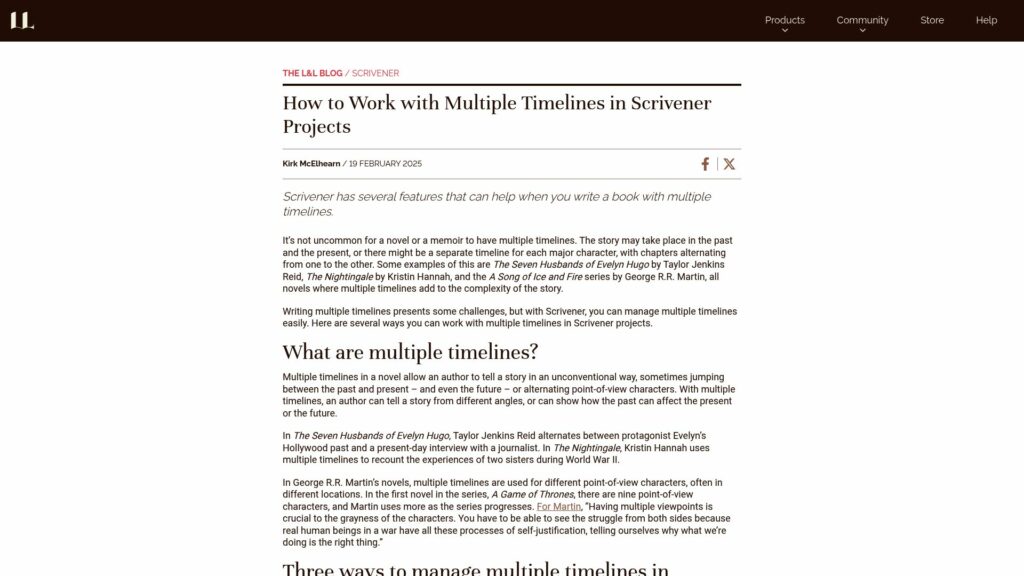
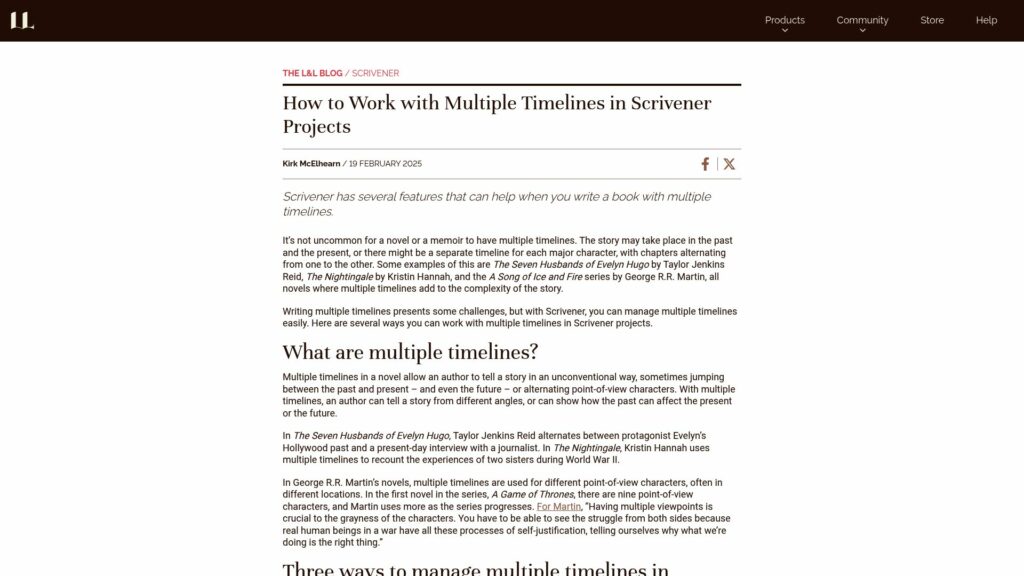
How to Work With Multiple Timelines in Scrivener Projects

Scrivener aids writing books with multiple timelines, common in novels and memoirs like The Seven Husbands of Evelyn Hugo and A Song of Ice and Fire. It helps manage different timelines using features like separate folders, color-coded labels in the Binder, and Collections for grouping files. It allows for easy navigation, viewing, and rearranging of scenes, making it a versatile tool for complex narratives.

https://www.literatureandlatte.com/blog/how-to-work-with-multiple-timelines-in-scrivener-projects

How to Work With Multiple Timelines in Scrivener Projects

Scrivener aids writing books with multiple timelines, allowing authors to manage complex narratives, like those in The Seven Husbands of Evelyn Hugo and A Song of Ice and Fire. Key techniques include using separate folders for each timeline, marking files in the Binder for easy navigation, and creating Collections to group timelines. Additional features like custom metadata and visual organization tools enhance writing efficiency, making Scrivener optimal for projects involving intricate timelines.

https://www.literatureandlatte.com/blog/how-to-work-with-multiple-timelines-in-scrivener-projects

Scroll to Top