Your Content Is Yours – and That’s More Empowering Than Ever
Balint's vision “Your content is yours” influences Craft's core philosophy and development.
Poetry and fiction differ, but poetry's language elements can enhance all writing types. Poetry's focus on sound, rhythm, and emotional imagery offers valuable tools for authors. Recommended readings include Mary Oliver's A Poetry Handbook, which teaches poetry's craft, and Rules of the Dance, focusing on metrical verse. Dr. Mardy Grothe's I Never Metaphor I Didn’t Like highlights metaphor's use in language. Robert Hass's A Little Book on Form explores poetic constraints that inspire creative writing. Poetry anthologies provide exposure to diverse poetic styles and cultures, enriching writers' perspectives.
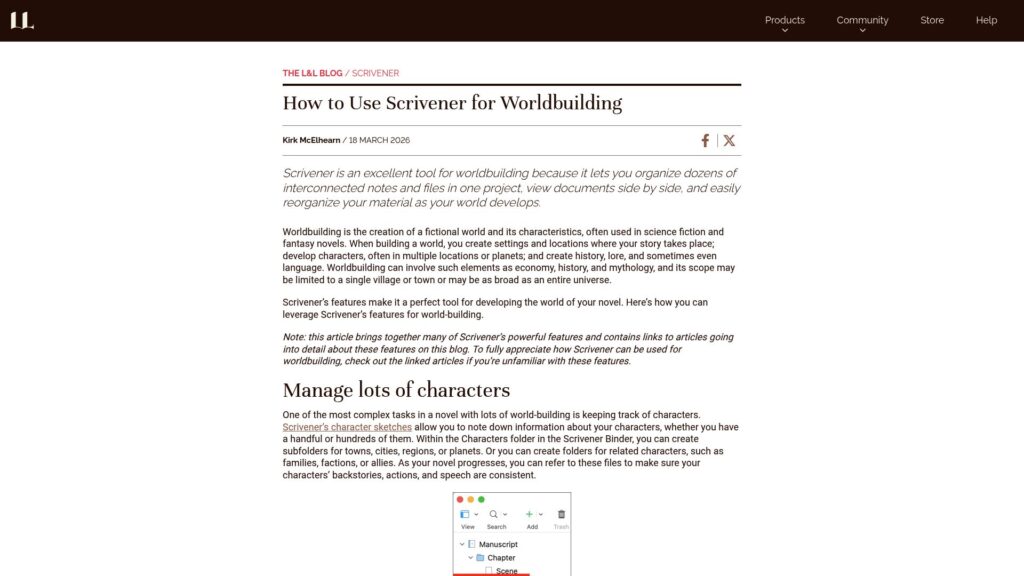
Scrivener doesn't use AI; prompts on Mac stem from Apple's AI tools. Unlike many apps, Scrivener keeps all text on-device and doesn’t send data to servers. Users may see AI features in newer macOS versions, but these cannot be removed from Scrivener. To disable Apple's AI prompts, turn off Apple Intelligence in system settings.
Keepsake simplifies collaborative storytelling, allowing users to create beautiful printed memoirs filled with shared memories. The platform offers customizable projects like autobiographies, biographies, and memorials, supported by thoughtful prompts and image editing tools. Users can invite family to contribute, transforming the memoir crafting into a collective experience. Subscription plans include unlimited projects, collaboration features, and a printed book credit. Keepsake's focus is on meaningful storytelling, preserving memories for future generations.
writerDeck.org promotes devices solely for writing, minimizing distractions. Examples include typewriters and custom setups (cyberDecks) for unique experiences. Reasons for using a writerDeck include reducing distractions, enhancing enjoyment, and creative design. Mass-produced and DIY options exist, along with software to customize devices. Alternatives to laptops and tablets are available. Building a writerDeck is accessible for those willing to learn. Handwriting remains a low-cost alternative. An active Reddit community offers support and information.
Scrivener is excellent for long-form projects and collections of shorter works, offering features ideal for short stories and essays. It provides various templates for organizing writing, allows for effective revisions with snapshot backups, and helps manage story sequencing for a compelling collection. The final compilation process prepares works for sharing or publication, including ebook formatting options. Kirk McElhearn, writer and podcaster, authored “Take Control of Scrivener.”
https://www.literatureandlatte.com/blog/how-to-write-short-story-or-essay-collections-in-scrivener
Extreme TLDR: SCAMPER is a structured brainstorming method (Substitute, Combine, Adapt, Modify, Put to another use, Eliminate, Reverse) for generating ideas by reworking existing ones. It helps overcome creative blocks, refines drafts, and is applicable across various writing types. Use SCAMPER during brainstorming or revisions to explore new angles and improve clarity.
https://www.grammarly.com/blog/writing-process/scamper-method/
Chris Biscardi uses Typst for various content formats, including technical writing, videos, and documents, appreciating its bibliography support, document querying, and scripting capabilities. Typst targets multiple outputs (HTML, PDF) and features hot-reload for fast authoring. While it has downsides, like an experimental HTML target and stability concerns, Biscardi finds it promising for future integration in projects.
Extreme TLDR: Writing advice focuses on clarity and engagement, emphasizing creativity through bad ideas, varying sentence lengths, effective word choice, pacing conflict, character depth, and the importance of dialogue without tags. It's crucial to make characters relatable, maintain reader interest, and enhance worldbuilding to create an enriching narrative.
Extreme TLDR:
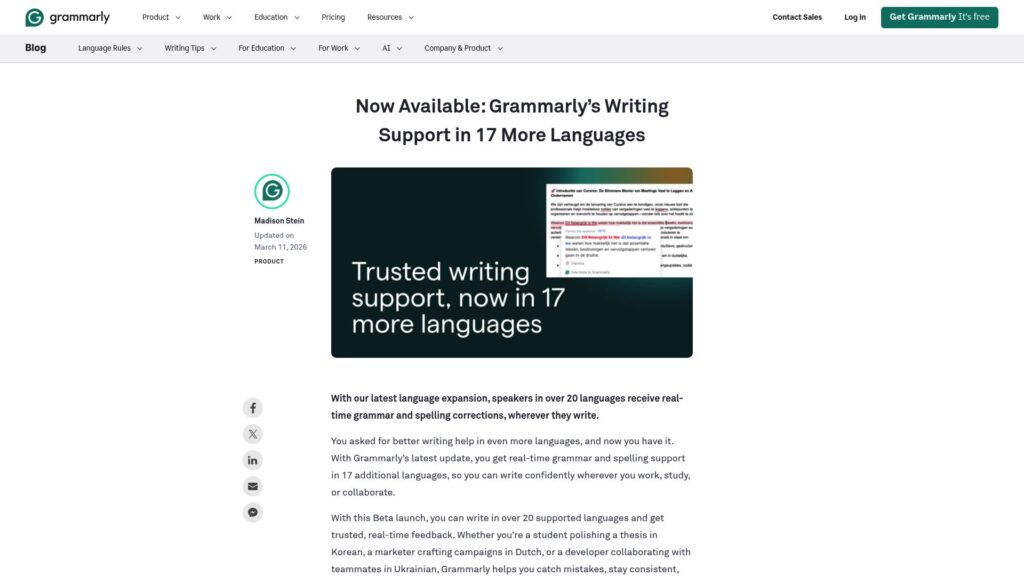
Mind mapping visually organizes ideas around a central topic, enhancing creativity, memory, and productivity. It's effective for brainstorming in writing and planning. Key steps include starting with a central idea, using single keywords, and linking concepts. Benefits span academic, professional, and personal uses. Avoid long sentences and rigid layouts, and leverage tools like Grammarly for transitions to structured writing.
https://www.grammarly.com/blog/writing-process/mind-mapping/